When homeowners consider increasing property value, interior upgrades such as kitchens or bathrooms often come to mind. However, one of the most powerful and frequently overlooked investments is professional landscape design. A thoughtfully designed outdoor space does far more than make a home look attractive—it plays a crucial role in boosting long-term property value.
Landscape design impacts how a property is perceived, how it functions, and how well it holds its value over time. From curb appeal to usable outdoor living spaces, landscaping creates emotional and financial returns that last for years. In this guide, we’ll explore how landscape design improves property value over the long term and why it remains one of the smartest upgrades for homeowners.
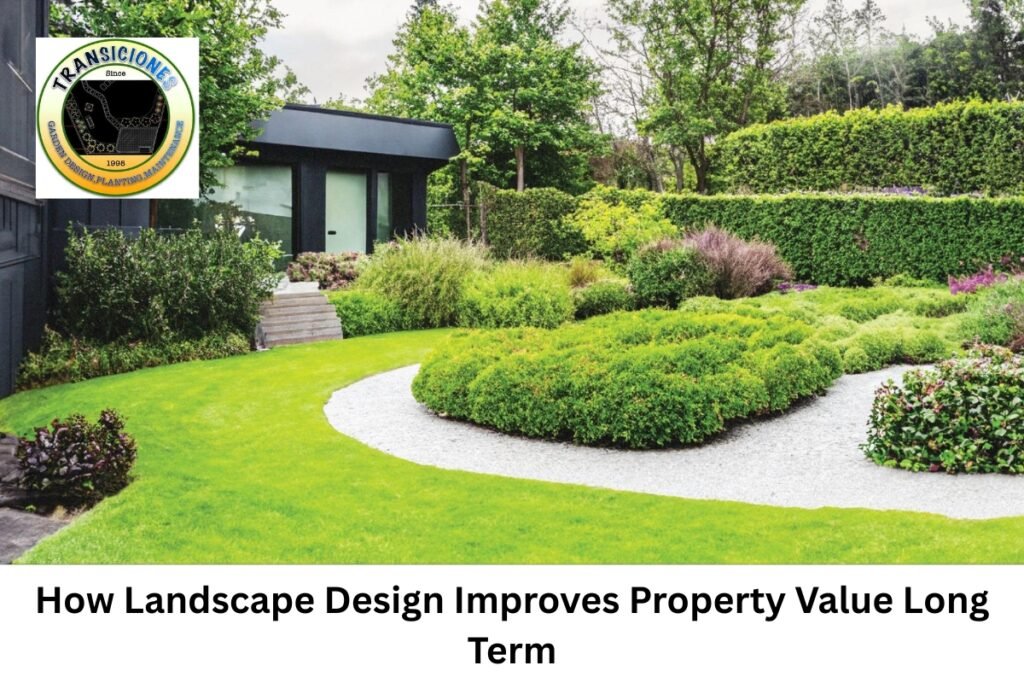
What Landscape Design Really Means
Landscape design is much more than planting flowers or mowing grass. It is a comprehensive process that blends aesthetics, functionality, and sustainability. Professional landscape design typically includes:
- Strategic plant selection and placement
- Lawn and garden layout planning
- Hardscaping elements like patios, walkways, and retaining walls
- Irrigation systems for efficient water use
- Outdoor lighting for safety and ambiance
- Long-term maintenance planning
A well-designed landscape takes into account soil conditions, climate, drainage, and the home’s architectural style. This holistic approach ensures the outdoor space grows more valuable—not less—over time.
Why First Impressions Matter in Property Value
Curb Appeal Sets Buyer Expectations
The exterior of a home is the first thing buyers see, and first impressions strongly influence perceived value. A professionally designed landscape immediately communicates care, quality, and pride of ownership.
Homes with strong curb appeal often:
- Attract more potential buyers
- Receive higher offers
- Spend less time on the market.
Even if a homeowner has no plans to sell soon, maintaining a visually appealing landscape preserves long-term value and neighborhood reputation.
Landscaping Reflects Overall Property Maintenance
Buyers often assume that if the outside of a home is neglected, the inside may be as well. On the other hand, a lush lawn, clean pathways, and a balanced planting design suggest the entire property has been well maintained.
How Landscape Design Adds Functional Outdoor Living Space
Outdoor Areas Extend Living Space
Modern buyers increasingly value outdoor living spaces. Features such as patios, decks, pergolas, and seating areas effectively extend a home’s usable square footage—without the cost of an interior renovation.
Functional outdoor spaces can include:
- Entertainment areas for gatherings
- Quiet relaxation zones
- Outdoor dining or cooking spaces
- Safe play areas for children
These features increase both the emotional appeal and the practical value of a property.
Buyers Pay for Lifestyle, Not Just Structure
Today’s real estate market emphasizes lifestyle. A professionally designed landscape helps buyers envision how they will live in the space, making the property more desirable and valuable over the long term.
Landscape Features That Boost Property Value the Most
Strategic Planting and Greenery
Well-planned planting creates balance, privacy, and beauty. Native and climate-appropriate plants require less maintenance and water, making them attractive to buyers focused on sustainability.
Benefits include:
- Reduced long-term maintenance costs
- Improved environmental efficiency
- Year-round visual appeal
Healthy Lawn Design
A healthy, green lawn signals quality and care. It frames the property and provides visual continuity throughout the landscape.
Long-term lawn benefits:
- Enhances overall aesthetic
- Improves the usability of the outdoor space
- Adds consistency to property appearance
Hardscaping Elements
Hardscaping provides structure and durability. Walkways, patios, and retaining walls add both function and permanence to a landscape design.
Value-adding hardscape features include:
- Stone or concrete patios
- Defined garden pathways
- Retaining walls for slope control
- Driveway enhancements
These features are considered permanent upgrades that increase property value.
Outdoor Lighting
Low-voltage outdoor lighting improves safety, security, and nighttime appearance. It highlights landscape features while increasing usability after sunset.
Lighting adds value by:
- Improving nighttime curb appeal
- Enhancing safety for walkways
- Creating ambiance and depth
What Modern Buyers Look for in Landscaping
Low-Maintenance Design
Buyers increasingly prefer landscapes that look great without excessive upkeep. Professional design focuses on selecting smart plants and designing efficient layouts to reduce long-term maintenance needs.
Sustainable Landscaping
Eco-friendly landscaping features are beautiful, including:
- Drought-tolerant plants
- Efficient irrigation systems
- Rainwater management
- Reduced chemical use
Sustainable design lowers utility costs while boosting buyer appeal.
Functional and Organized Layouts
Buyers appreciate landscapes that are intuitive and well-structured. Clear zones for entertaining, relaxation, and movement add usability and value.
How Landscape Design Delivers Long-Term ROI
Landscaping Grows With Time
Unlike many interior upgrades that depreciate, landscaping matures. Trees grow fuller, gardens establish deeper roots, and outdoor spaces become more inviting.
Long-term benefits include:
- Increased property value over time
- Improved neighborhood aesthetics
- Reduced the need for significant future redesigns
Faster Sales and Higher Offers
Properties with professional landscaping often sell faster and command higher prices because buyers see less work required after purchase.
Why Maintenance Is Key to Sustaining Value
Landscape design is an investment that requires ongoing care. Regular maintenance ensures that the design continues to deliver value year after year.
Maintenance includes:
- Seasonal pruning and cleanup
- Lawn care and fertilization
- Irrigation system checks
- Plant health monitoring
Without maintenance, even the best designs can lose their impact and reduce perceived value.
Common Landscape Design Mistakes to Avoid
- Overcrowding plants that outgrow the space
- Using high-maintenance plants in visible areas
- Ignoring drainage and irrigation needs
- Designing without considering long-term growth
- Adding features that don’t match the home’s style
Avoiding these mistakes protects your investment and ensures lasting value.
Conclusion
Understanding how landscape design improves property value over the long term explains why it remains one of the most potent home investments. Professional landscaping enhances curb appeal, expands living space, supports sustainability, and creates emotional connections that buyers value deeply.
Whether you plan to sell in the future or simply want to protect your property’s worth, investing in thoughtful landscape design ensures lasting beauty, functionality, and financial return.
FAQs
Ans: Professional landscape design can increase property value by improving curb appeal, usability, and buyer perception, often resulting in higher offers and faster sales.
Ans: Yes. Landscaping matures over time, improves quality of life, and helps maintain property value longer than many interior upgrades.
Ans: Outdoor living spaces, healthy lawns, strategic planting, hardscaping, and outdoor lighting provide the highest return.
Ans: Absolutely. Buyers prefer landscapes that look attractive without requiring excessive time, cost, or upkeep.
Ans: Regular seasonal maintenance is recommended to keep the landscape healthy, functional, and visually appealing year-round.