
Creating a garden that grows strong, healthy plants isn’t just about choosing the right seeds or watering consistently—it starts much deeper, literally. Great gardening begins with great soil. When your soil is balanced, nutrient-rich, and well-prepared, your plants thrive with less effort. And the good news? Preparing soil for planting is easier than most people think. With a few smart steps, you can transform dull, compacted, or nutrient-poor soil into a fertile foundation for vegetables, flowers, herbs, and shrubs.
As you prepare your garden soil, keep in mind that every yard is different. Soil conditions vary by climate, region, and the length of time the land has been used. That’s why understanding your soil—and knowing how to improve garden soil with the right amendments—makes all the difference. Whether you’re a beginner or someone who gardens every season, this guide will help you create the best soil for vegetables, flowers, and everyday landscaping. If you ever need professional help with soil work, Transiciones Inc. offers reliable garden maintenance and soil care solutions.
Understand Your Soil Before You Start Working It
Before adding compost or fertilizers, it’s essential to know what’s already happening underground. Soil testing for gardening is one of the smartest steps a homeowner can take. It reveals your soil’s pH level, nutrient content, and texture—information that guides every decision you make afterward.
Most home improvement stores sell soil test kits, but you can also send samples to a professional lab for more detailed results. Soil pH affects how well your plants absorb nutrients. For example, vegetables typically prefer slightly acidic soil. If the test shows your garden soil’s pH is off, adjusting it is your first task. This step ensures every improvement you make afterward actually benefits your plants.
Once you know whether your soil is sandy, clay-heavy, or loamy, you can start choosing the right soil amendment for gardens. If your soil doesn’t drain well or dries out too quickly, amendments address these issues and help balance your garden.
Add Organic Matter to Boost Structure and Fertility
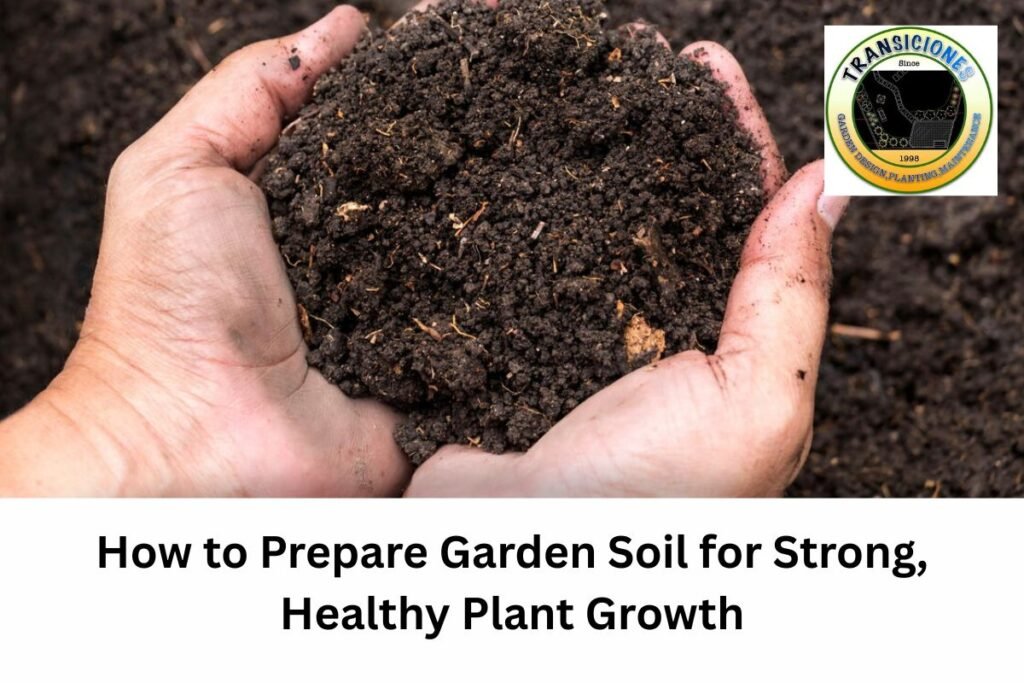
Healthy soil is alive. It has microorganisms, nutrients, water, and air working in harmony. And nothing brings garden soil to life like organic matter. Adding compost, aged manure, shredded leaves, or grass clippings improves soil texture and boosts fertility.
Organic matter softens clay soil, allowing roots to breathe and water to drain correctly. At the same time, it increases the water-holding capacity of sandy soil, helping moisture stay longer around the roots. Over time, it supports earthworms and beneficial bacteria—your garden’s underground support team.
Spread 2–3 inches of organic material over your planting area, then gently mix it into the top 6–8 inches of soil. This step alone can dramatically improve your garden’s performance. To explore more natural garden-improvement ideas or professional help, check out Transiciones Inc.’s garden maintenance services.
Break Up Compacted Soil for Better Root Growth
Compacted soil suffocates plants. When the soil becomes dense, roots struggle to spread, water pools on the surface, and growth slows dramatically. This often happens in yards with heavy foot traffic or after years of neglect.
Start by loosening the soil using a shovel, garden fork, or tiller. The goal isn’t to dig deep trenches but to gently improve the soil’s structure. You want the soil to hold moisture while still allowing oxygen to flow freely. Preparing soil for planting always includes creating space for roots.
If your soil is highly compacted, add coarse sand or perlite along with organic matter. These materials increase air pockets in the soil and encourage healthier growth. Once the soil loosens, plants experience less stress and grow more vigorously.
Use Soil Amendments to Balance Drainage and Nutrient Levels
Every garden has its own challenges. Some soils drain too fast; others hold water like a sponge. That’s where targeted soil amendments come in. Compost is a top choice, but depending on your soil test results, you might need additional materials.
For example:
- Gypsum helps break up clay soil without altering pH.
- Lime raises the soil pH for overly acidic soil.
- Sulfur helps lower the pH of alkaline soil.
- Peat moss increases moisture retention for sandy soil.
- Worm castings offer concentrated nutrients for vegetables.
These products work best when combined with regular organic matter. The key is to improve your soil’s balance, not to oversaturate it with additives. When your soil becomes more balanced, plants absorb nutrients more efficiently, resulting in stronger stems, greener leaves, and better produce.
Level and Smooth the Soil for a Better Planting Surface
Once your soil is improved, leveled, and amended, it’s time to prepare it for planting. This step ensures seeds and root systems make firm contact with the soil, which helps germination and growth.
Use a rake to create a smooth surface across the garden bed. Remove rocks, weeds, and debris that might interfere with planting. If you’re planting vegetables, consider slightly raised rows or mounds. This technique enhances drainage and defines your planting space.
For extensive gardens or landscapes, consider hiring professionals who specialize in soil preparation, mulch installation, and garden leveling. The experts at Transiciones Inc. can help with soil preparation for both residential and commercial settings.
Let the Soil Rest Before Planting for Best Results
After you finish amending and smoothing the soil, allow it to rest for a few days. Resting gives organic matter time to settle and blend naturally. It also helps moisture balance out before planting.
If you’re preparing soil for vegetables, resting the soil is especially important. Vegetable roots are sensitive to sudden changes in soil conditions. Giving the soil a break helps prevent transplant shock and improves long-term growth.
Consider covering the soil with mulch or a breathable tarp if rain is expected. This prevents erosion and keeps your amendments from washing away.
Start Planting with Confidence and Maintain Soil Health Regularly
Once your soil is ready, you’re set to plant with confidence. Whether you’re growing herbs, flowers, shrubs, or vegetables, healthy soil gives your garden an advantage from the start. But don’t stop there—soil health is ongoing.
Add compost a couple of times each year. Avoid walking on garden beds to prevent compaction—mulch around plants to protect the soil and improve moisture retention. With consistent care, you’ll keep your garden thriving season after season.
If gardening feels overwhelming or you want expert help, professional services like Transiciones Inc. offer complete solutions for soil preparation, planting, and garden maintenance.
Final Thoughts
Preparing soil for planting is one of the most rewarding steps you can take in gardening. When your soil is healthy, everything that grows from it becomes more nutritious, too. With a mix of soil testing, organic matter, proper amendments, and regular maintenance, your garden will flourish with less effort and more enjoyment.
FAQs
1. How often should I test my garden soil?
Testing once every one to two years is ideal, especially before planting vegetables or new flower beds.
2. What is the best soil for vegetables?
Vegetables prefer loose, well-draining soil rich in organic matter with a slightly acidic pH.
3. Can I add too much compost?
Yes. Excess compost can raise nutrient levels too high. Two to three inches per season is usually enough.
4. How long should I wait after adding soil amendments before planting?
In most cases, wait 3–7 days for the soil to settle and balance.
5. What if my soil stays wet for too long?
Add compost, sand, and perlite to improve drainage. Raised beds are also a helpful solution.