
Outdoor lighting is more than just a decorative touch—it’s an essential element for home safety and curb appeal. Well-designed lighting illuminates walkways, highlights landscaping features, and adds visual drama to your property. At the same time, it can prevent trips and falls, deter intruders, and make your home feel welcoming during long New York winters or summer evenings.
In this guide, we’ll explore practical outdoor landscape lighting ideas, covering safety, aesthetics, and design tips to make your home shine both day and night. Whether you have a townhouse in Manhattan or a suburban garden on Long Island, these tips are tailored for New York homes.
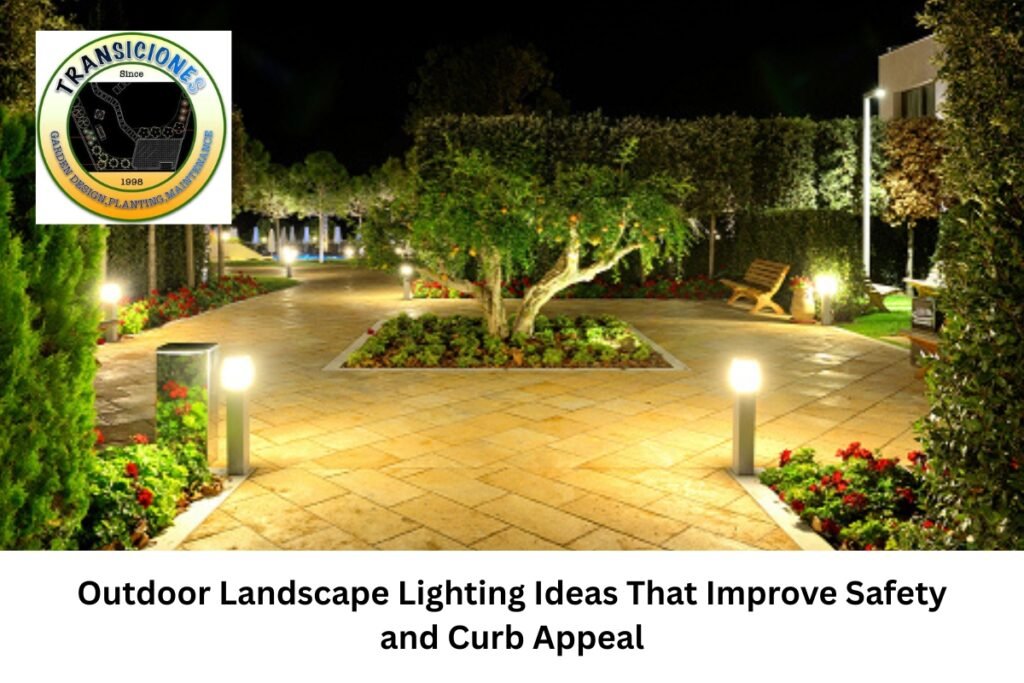
Why Outdoor Lighting Improves Safety
Benefits of Proper Outdoor Lighting
- Prevents Accidents: Illuminates steps, pathways, and entry points to reduce trips and falls.
- Deters Crime: Well-lit areas discourage intruders and increase visibility around doors and fences.
- Enhances Navigation: Helps family members and guests navigate your property safely in low light.
New York Climate Considerations
- Winter: Short days mean lighting is essential from late afternoon onward.
- Summer: High humidity and occasional storms require durable, weather-resistant fixtures.
- Snow and Ice: Fixtures must be elevated or protected to maintain visibility and prevent accidents.
Lighting Basics Every Homeowner Should Know
Core Lighting Techniques
- Path Lighting: Guides guests along walkways and prevents tripping hazards.
- Accent Lighting: Highlights key landscape or architectural features.
- Uplighting: Casts dramatic shadows on trees and textures.
- Downlighting: Creates natural illumination and reduces glare.
- Step & Deck Lighting: Essential for outdoor stairs and decks.
- Security Lighting: Motion sensors and floodlights increase safety.
Light Temperature & Color
- Warm White (2700K–3000K): Creates a welcoming, cozy ambiance.
- Cool White (3500K–4000K): Offers crisp, bright visibility, ideal for security areas.
Energy Efficiency
- LED Fixtures: Long-lasting, low energy consumption, less heat output.
- Solar Lights: Ideal for small pathways or garden beds, no wiring required.
Outdoor Lighting Ideas That Boost Curb Appeal
Illuminate Pathways and Walkways
- Guides guests safely to your door while adding elegance.
- Place lights 6–8 feet apart for uniform coverage.
- Low-voltage LEDs work best for energy efficiency and durability.
Highlight Architectural Features
- Use adjustable spotlights to accentuate stone walls, columns, or facades.
- Uplighting creates depth and enhances evening curb appeal.
Uplight Trees and Shrubs
- Dramatic focal points for large trees or textured shrubs.
- Creates visual layers in your yard for added interest.
Step and Deck Lighting
- Illuminates stair treads and deck railings.
- Prevents trips and allows safe outdoor gatherings at night.
Porch and Entry Lighting
- Lanterns or sconces create a welcoming glow.
- Motion sensors add security without sacrificing style.
Accent Lights for Hardscapes
- Illuminate patios, fountains, or garden walls.
- Spotlights on water features create a luxurious ambiance.
Combining Safety & Style: Layout Planning
Lighting Plan Checklist
- Identify areas needing coverage (paths, entrances, steps).
- Reduce glare and ensure visibility from multiple angles.
- Maintain consistency in fixture style for cohesive aesthetics.
- Consider power source, wiring paths, and zoning for automation.
Working with a Designer
- Professionals can optimize light placement, energy efficiency, and visual impact.
- Budgeting for installation and maintenance ensures long-term satisfaction.
Choosing the Right Fixtures
Types of Fixtures
- Path Lights: Guide pathways and garden borders.
- Spotlights: Highlight trees, sculptures, or architectural elements.
- Floodlights: Provide bright, broad coverage for security.
- Deck & Step Lights: Ensure safety for outdoor stairs and platforms.
- Accent Lights: Add depth and drama to focal points.
Material & Durability
- Choose weatherproof materials with IP ratings suitable for wet conditions.
- Rust-resistant finishes ensure longevity in New York’s variable climate.
Installation & Maintenance Tips
DIY vs Professional Installation
- DIY is feasible for simple layouts such as path or solar lighting.
- Professional installation recommended for complex systems, electrical integration, or zoning requirements.
Maintenance Checklist
- Clean lenses and bulbs for optimal illumination.
- Inspect wiring and connections for damage or corrosion.
- Replace bulbs and check timers annually.
- Adjust angles seasonally as plants grow or change.
Conclusion
Outdoor lighting is both a functional necessity and an aesthetic tool. The right combination of pathway lights, accent lighting, uplighting, and security lights can enhance safety, curb appeal, and property value. New York homeowners face unique challenges like early sunsets, snow, and humidity, making durable, energy-efficient lighting essential.
By planning your layout, choosing the right fixtures, and integrating seasonal maintenance, your landscape can shine beautifully and safely year-round. Whether through DIY projects or professional installation, investing in outdoor lighting is one of the most effective ways to combine style with practical safety.
FAQs
Q1: What areas should I light first for safety?
A: Walkways, stairs, driveways, and entrances should be prioritized for safety and visibility.
Q2: Is LED lighting better than traditional bulbs?
A: Yes, LEDs are energy-efficient, long-lasting, and provide consistent, bright illumination.
Q3: How far apart should path lights be placed?
A: Typically 6–10 feet apart, depending on fixture brightness and path width.
Q4: Can lighting deter crime around my home?
A: Yes, well-placed lighting reduces hiding spots and increases visibility, which can deter potential intruders.
Q5: Should I hire a professional for landscape lighting installation?
A: For complex layouts, electrical wiring, or integrated systems, professional installation ensures safety and optimal design.