
Maintaining a healthy, beautiful garden in New York requires more than occasional watering and mowing. With four distinct seasons — each bringing its own weather challenges — seasonal garden maintenance is essential for keeping plants healthy, lawns lush, and landscapes attractive year-round.
From freezing winters and wet springs to hot summers and leaf-heavy autumns, New York’s climate demands a strategic approach. That’s why following a seasonal garden maintenance checklist can save homeowners time, money, and stress while improving curb appeal and long-term plant health.
In this guide, we’ll walk you through a complete seasonal garden maintenance checklist for homeowners in New York, breaking down exactly what to do in spring, summer, fall, and winter.
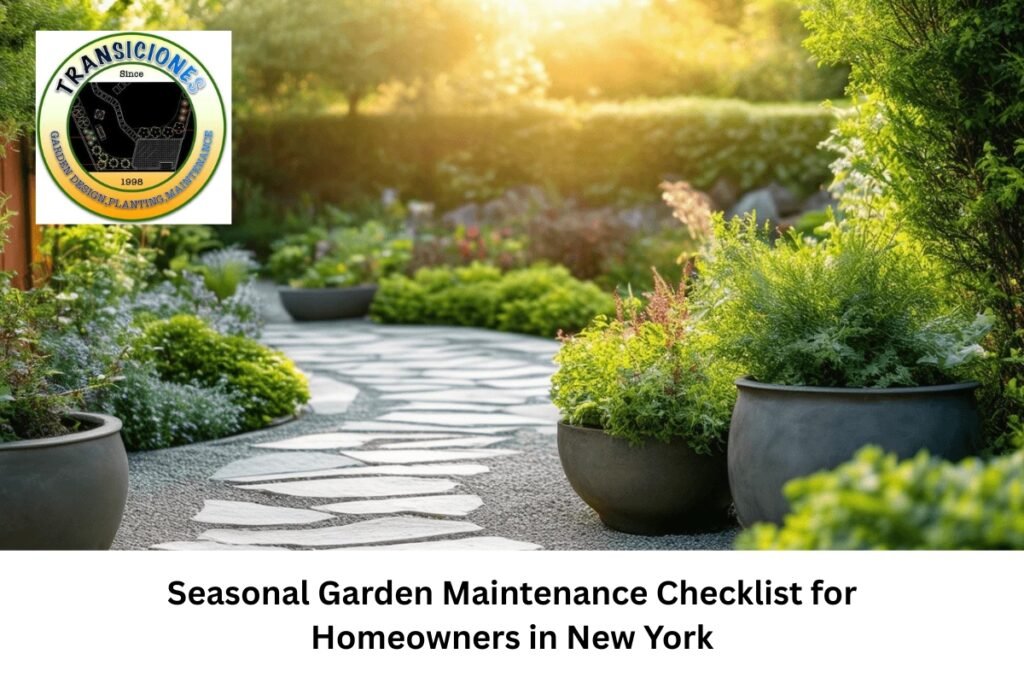
Why Seasonal Garden Maintenance Matters in New York
New York gardens experience:
- Heavy snowfall and freezing temperatures in winter
- Spring thaw, rain, and unpredictable frosts
- Hot, humid summers
- Leaf buildup and cooling temperatures in fall
Without proper seasonal care, gardens can suffer from:
- Root damage
- Pest infestations
- Poor soil quality
- Weakened plants and lawns
Seasonal maintenance helps you:
- Prevent costly damage
- Encourage healthy growth
- Maintain year-round curb appeal.
- Extend the life of your landscape investment.
Understanding New York’s Gardening Seasons
Before diving into the checklist, it’s essential to understand how New York’s seasons affect your garden:
- Spring: Recovery and preparation
- Summer: Growth, watering, and pest control
- Fall: Cleanup and winter preparation
- Winter: Protection and planning
Each season plays a critical role in long-term garden success.
Spring Garden Maintenance Checklist (March – May)
Spring is one of the most important seasons for garden care in New York. It’s the time to repair winter damage and prepare for new growth.
1. Clear Winter Debris
- Remove fallen branches, leaves, and dead plant material.
- Prevent mold, pests, and disease buildup.
2. Inspect Plants for Winter Damage
- Look for broken limbs and frost damage.
- Remove dead or damaged growth.
3. Prune Trees and Shrubs
- Prune flowering shrubs after blooming
- Shape trees and shrubs to encourage healthy growth.h
4. Test and Improve Soil
- Conduct a soil pH test.
- Add compost or organic matter to enrich the soil.
5. Lawn Care Preparation
- Rake to remove thatch.
- Aerate compacted soil
- Overseed bare patches
- Apply spring fertilizer
6. Inspect Irrigation Systems
- Check sprinkler heads and drip line.s
- Repair leaks and ensure proper coverage
7. Begin Planting Cool-Season Plants
- Early flowers and shrubs
- Cold-tolerant vegetables and groundcovers
Why Spring Matters:
Spring maintenance sets the foundation for a healthy growing season and prevents problems later in the year.
Summer Garden Maintenance Checklist (June – August)
Summer in New York can be hot and humid, which means your garden needs consistent care to stay healthy.
1. Water Deeply and Efficiently
- Water early in the morning
- Focus on deep watering to encourage strong roots.
- Avoid shallow, frequent watering.g
2. Monitor Irrigation Systems
- Adjust watering schedules during a heat wave.s
- Ensure even coverage across the garden.
3. Control Weeds
- Remove weeds before they go to seed.d
- Mulch beds to suppress weed growth
4. Mulch Garden Beds
- Retains soil moisture
- Regulates soil temperature
- Protects roots from heat stress
5. Deadhead Flowers
- Remove spent blooms
- Encourages continuous flowering
6. Prune Lightly
- Remove damaged or overgrown growth.
- Avoid heavy pruning during extreme heat.t
7. Inspect for Pests and Disease
- Watch for insects, fungus, and leaf damage.
- Address issues early before they spread
Why Summer Care Is Critical:
Proper summer maintenance prevents drought stress, pest infestations, and plant burnout.
Fall Garden Maintenance Checklist (September – November)
Fall is the season to prepare your garden for winter while strengthening plants for next year.
1. Remove Fallen Leaves and Debris
- Prevent mold and pest habitat.s
- Compost leaves when possible.e
2. Fertilize Lawn and Garden Beds
- Strengthens roots before winter
- Promotes healthier spring growth
3. Aerate and Overseed Lawns
- Relieves soil compaction
- Encourages thick, healthy turf
4. Prune Perennials and Shrubs
- Cut back spent plants.
- Remove diseased growth
5. Plant Fall Flowers and Shrubs
- Mums, ornamental grasses, and fall perennials
- Fall planting allows roots to establish before winter.
6. Winterize Irrigation Systems
- Drain and blow out irrigation lines
- Prevent pipe freezing and damage.
7. Apply Mulch
- Protects roots from freezing temperatures
- Maintains soil moisture
Why Fall Prep Is Essential:
Fall maintenance reduces winter damage and ensures your garden rebounds quickly in spring.
Winter Garden Maintenance Checklist (December – February)
While winter is quieter, it’s still an essential season for garden care.
1. Protect Sensitive Plants
- Use burlap wraps and plant covers.
- Add extra mulch for insulation.
2. Remove Heavy Snow from Branches
- Prevent breakage from snow build-up. ldup
- Use gentle brushing instead of shaking.
3. Monitor for Winter Damage
- Look for broken limbs or exposed roots.
- Address issues when the weather allows
4. Care for Garden Tools
- Clean, sharpen, and store tools properly
- Prevent rust and extend tool life.
5. Plan for the Upcoming Seas Review the garden layout
- Plan plant additions or design changes
Why Winter Care Matters:
Protecting plants during winter reduces losses and prepares your garden for a strong spring start.
Essential Tools for Seasonal Garden Maintenance
Every New York homeowner should have:
- Pruning shears and loppers
- Rake and leaf blower
- Mulch and compost
- Soil test kit
- Garden hose or irrigation system
- Protective winter covers
The right tools make seasonal maintenance easier and more effective.
When to Consider Professional Garden Maintenance
While many tasks are manageable for homeowners, professional services can help with:
- Large properties
- Tree pruning and shaping
- Irrigation system maintenance
- Seasonal cleanups
- Lawn restoration
Professional garden maintenance ensures tasks are done correctly and on time.
Final Thoughts
Following a seasonal garden maintenance checklist for homeowners in New York is one of the best ways to protect your landscape investment. By staying organized and addressing tasks at the right time, you’ll enjoy a healthier, more attractive garden throughout the year.
Seasonal care doesn’t just improve appearance — it strengthens plants, reduces damage, and saves money in the long run.
Ready for Professional Garden Maintenance in New York?
Transiciones Inc. offers expert garden and landscape maintenance services tailored to New York’s climate.
📞 Contact us today to keep your garden healthy, beautiful, and stress-free all year long.
FAQs
Q1: Why is seasonal garden maintenance essential in New York?
Seasonal maintenance helps protect plants from extreme weather, encourages healthy growth, and prevents damage caused by freezing winters and hot summers.
Q2: When should I start spring garden maintenance in New York?
Most homeowners should begin spring maintenance in late March or early April, depending on the last frost date.
Q3: How often should I water my garden during the summer?
Water deeply once to twice per week, adjusting for rainfall and extreme heat.
Q4: What should I do to prepare my garden for winter?
Remove debris, apply mulch, protect sensitive plants, and winterize irrigation systems.
Q5: Can I hire professional help for seasonal garden maintenance?
Yes. Professional services ensure tasks are completed correctly and can save time while improving long-term garden health.