
Outdoor lighting is more than just a design element—it is a critical safety feature for every home and property. From preventing trips and falls to deterring intruders, proper lighting can significantly enhance the safety and security of outdoor spaces.
Low-voltage lighting, in particular, offers a safe, energy-efficient, and highly adaptable solution for illuminating landscapes, pathways, driveways, patios, and garden areas. Unlike traditional high-voltage systems, low-voltage lighting operates at around 12 volts, reducing electrical hazards while providing ample illumination.
In this article, we’ll explore why low-voltage lighting enhances outdoor safety, how it helps protect your family and property, and the additional benefits it brings to your home.
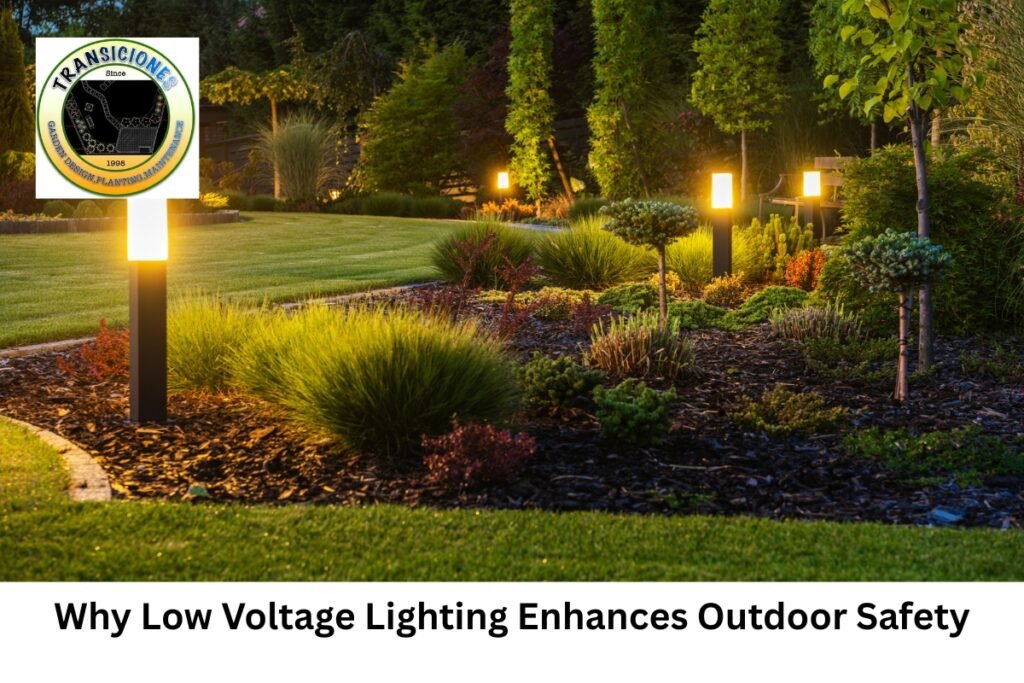
What Low-Voltage Lighting Is
Low-voltage lighting systems are designed to operate at a fraction of the power of standard 120V electrical systems. They typically use 12 volts, supplied via a transformer, to power LED or halogen fixtures.
Key Advantages:
- Safer electrical operation: Less risk of shock or fire in wet outdoor environments.
- Energy efficiency: LED bulbs use far less electricity than traditional bulbs.
- Flexibility: Small fixtures can be placed anywhere on a property without requiring extensive wiring.
How Low-Voltage Lighting Improves Visibility
1. Illuminating Paths and Walkways
Trip hazards are a common cause of outdoor injuries, particularly at night. Low-voltage pathway lights highlight walkways, driveways, and sidewalks, allowing residents and guests to navigate the property safely.
Benefits:
- Prevents slips, trips, and falls
- Improves visibility for children, pets, and elderly individuals
- Creates clear, well-lit routes throughout your landscape
2. Lighting Steps and Elevation Changes
Stairs, decks, patios, and uneven terrain present significant risks after dark. Strategically placed low-voltage lights highlight every step and elevation change, minimizing the risk of accidents.
Benefits:
- Safe access to elevated areas
- Reduces nighttime injuries
- Enhances aesthetic appeal while ensuring safety
Safety Through Reduced Electrical Risk
Low-voltage lighting operates at a much lower voltage than standard systems, making it safer for outdoor use, especially in areas prone to moisture, rain, or irrigation.
Benefits:
- Minimal shock hazard
- Safer for children and pets
- Reduced risk of electrical fires or short circuits
By reducing electrical risks, low-voltage lighting systems provide homeowners with peace of mind while maintaining adequate outdoor illumination.
Deterring Intruders and Enhancing Security
A well-lit property is a secure property. Low-voltage lighting helps to:
- Illuminate dark corners and potential hiding spots
- Highlight entryways, gates, and fences
- Work with motion sensors to detect activity and trigger lights
Benefits:
- Discourages burglaries and trespassing
- Enhances neighborhood security
- Improves visibility for homeowners monitoring their property
Energy Efficiency and Long-Term Cost Benefits
Low-voltage systems, particularly LED fixtures, consume significantly less energy than traditional high-voltage lighting. This not only reduces electricity bills but also decreases the environmental impact of outdoor lighting.
Benefits:
- Lower monthly energy costs
- Long-lasting LED bulbs reduce replacement expenses
- Reduced heat output compared to halogen systems
- Efficient performance with smart timers and automation
Ideal Placement for Maximum Safety Impact
1. Pathway and Driveway Lighting
Illuminates walking surfaces, driveways, and garden paths for safe movement at night.
2. Stair and Deck Illumination
Provides visibility for elevated or uneven surfaces to prevent falls.
3. Perimeter and Entry Lighting
Secures property boundaries and entrances to deter intruders.
4. Accent and Task Lighting
Highlights specific outdoor features without creating glare or dark shadows, maintaining both safety and aesthetic appeal.
Design Flexibility Without Sacrificing Safety
Low-voltage lighting systems are compact, versatile, and discreet, making them ideal for both functional and decorative applications. They can be used for:
- Uplighting trees and sculptures
- Downlighting patios and decks
- Path lighting and step illumination
This ensures safety without compromising your landscape design.
Smart Controls and Automation
Modern low-voltage systems integrate with smart home technology, offering:
- Timers and schedules
- Smartphone control
- Motion sensors to trigger lights only when needed
This enhances safety, reduces waste, and provides convenience, ensuring your property is always well-lit when necessary.
Long-Term Durability and Weather Resistance
Low-voltage fixtures are designed for outdoor conditions. They are:
- Resistant to rain, wind, and temperature changes
- Durable and low maintenance
- Long-lasting, with LED options often exceeding 25,000–50,000 hours
This reliability ensures that outdoor safety remains consistent year-round.
Conclusion
Low-voltage lighting is more than a decorative feature—it is a vital component of outdoor safety and security. By improving visibility, reducing electrical hazards, deterring intruders, and lowering energy costs, low-voltage lighting protects both people and property.
Whether illuminating walkways, stairs, patios, or garden areas, strategically placed low-voltage lighting provides peace of mind, functional safety, and aesthetic appeal. Investing in a low-voltage system ensures a safer, more secure, and energy-efficient outdoor environment for years to come.
FAQs
Ans: Low-voltage lighting operates at around 12 volts, reducing the risk of electrical shock or fire, especially in wet outdoor conditions.
Ans: Yes. By eliminating dark corners and highlighting entry points, low-voltage lighting deters intruders and improves overall property security.
Ans: Yes, especially when paired with LEDs. Low-voltage systems consume far less electricity than traditional high-voltage lighting, reducing energy bills and environmental impact.
Ans: Ideal locations include walkways, stairs, driveways, patios, entry points, and garden paths. Proper placement reduces trip hazards and increases visibility at night.
Ans: While some homeowners may DIY, professional installation ensures proper spacing, voltage balance, and long-term safety.